Resilient Supply Chains Are Built on Decision Latency, Not Dashboards
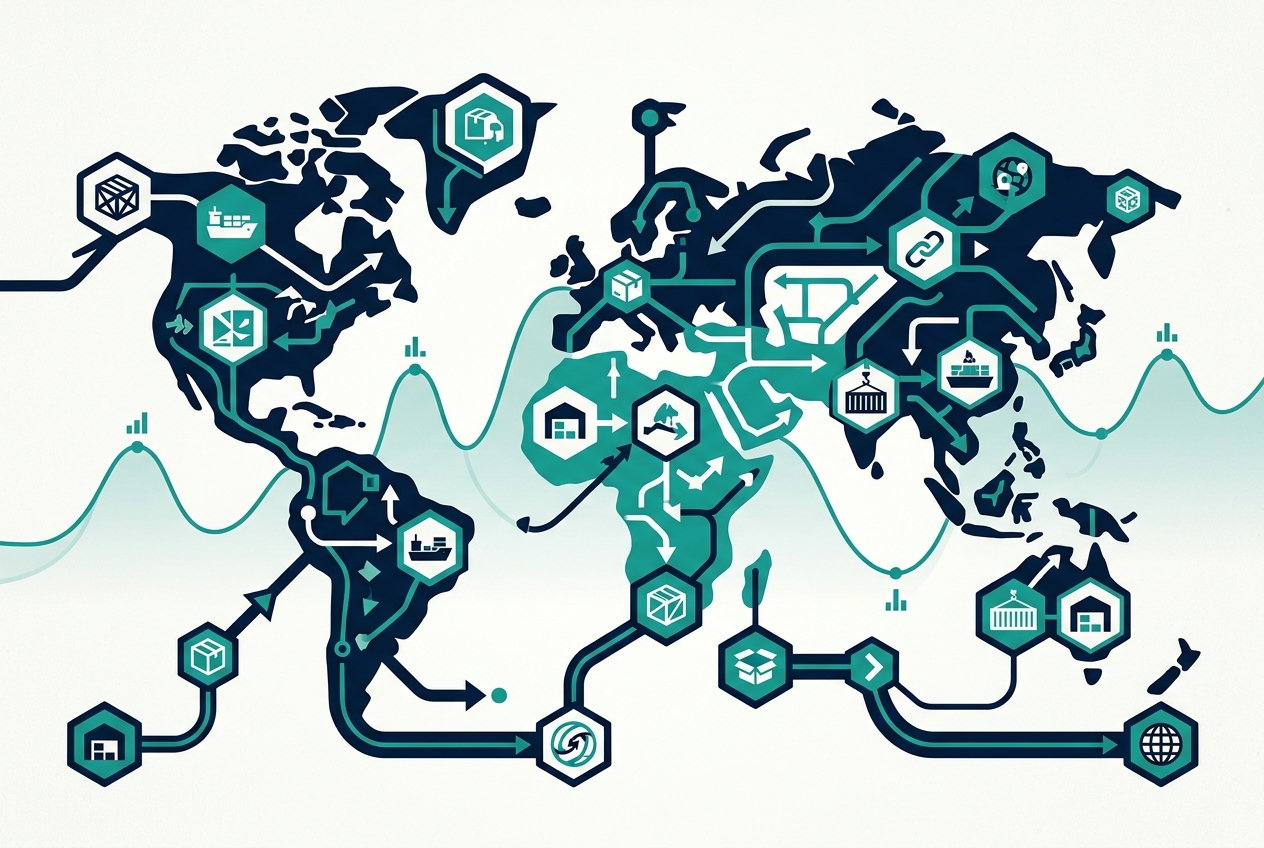
Visibility is necessary but not sufficient. Resilience comes from shrinking the time between a signal and a good decision — and knowing which decisions to automate.
After every disruption, the reflex is to buy more visibility. But a control tower that shows a problem faster does not, by itself, resolve it faster. Resilience is a function of decision latency: the time between a signal arriving and a good decision being made and executed.
The three-factor automation test
Not every decision should be automated. Three properties separate the candidates from the distractions: frequency (high-frequency decisions accumulate value quickly), latency (short windows favour machine speed), and cost of error (automate confidently where mistakes are cheap and reversible; keep a person in the loop where they are not).
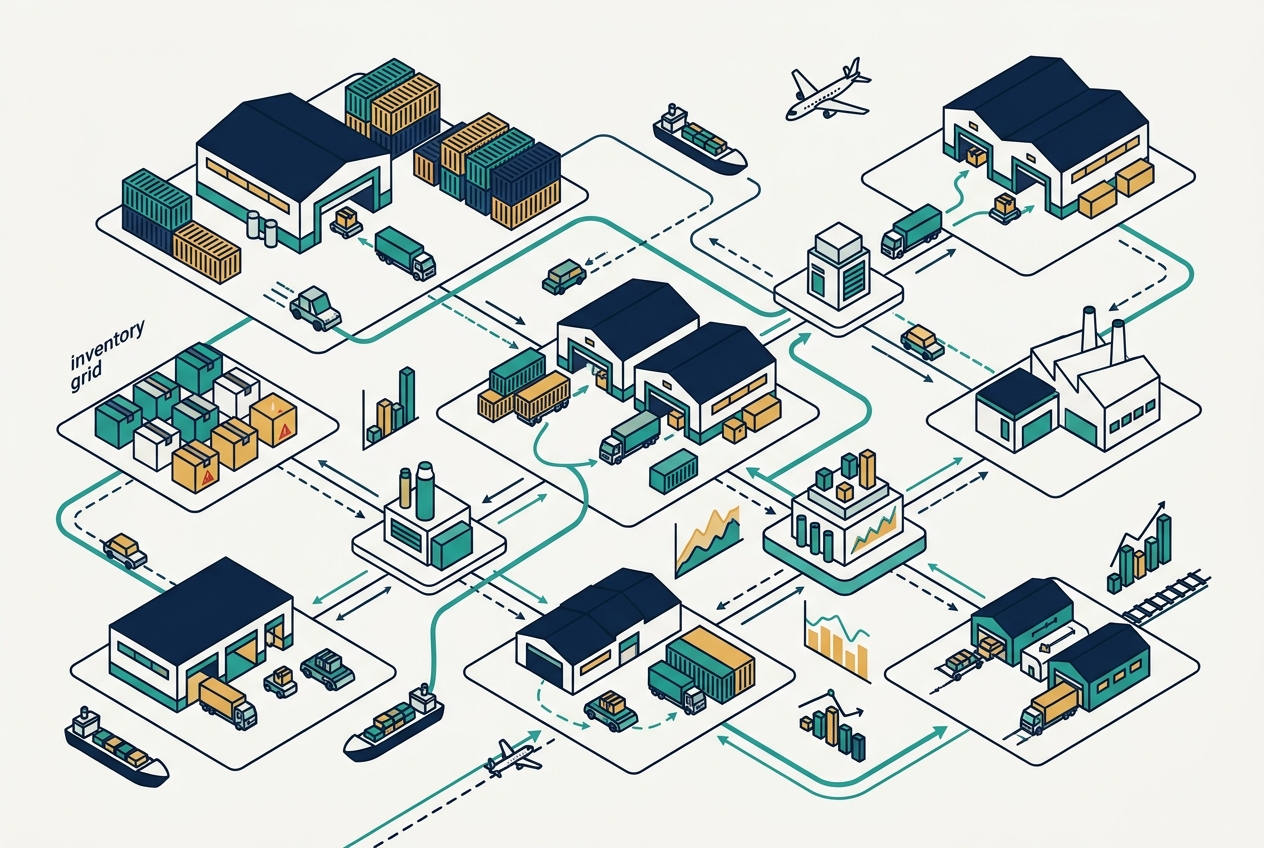
Redesign before you automate
Automating a replenishment process built around duplicated approvals simply makes the duplication faster. We map the decision chain with planners first, remove the friction, then apply intelligence to what remains — measured in service levels, working capital and cost-to-serve.
Keep judgement where it belongs
The goal is not a lights-out supply chain. It is planners freed from reconciliation to spend their judgement on the exceptions that genuinely need it.
Have a process worth redesigning?
Discuss a Transformation →